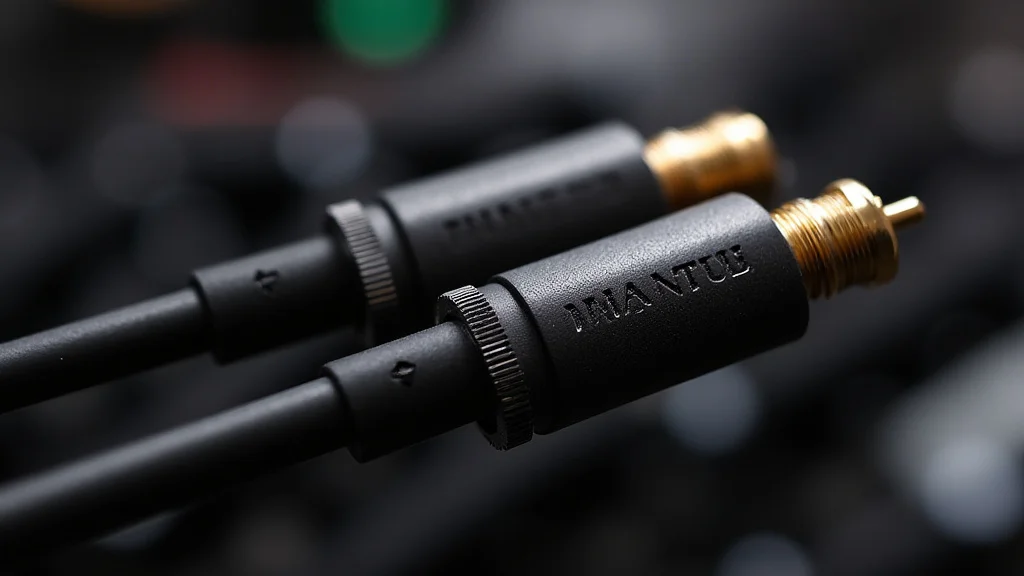
Ever tripped over a tangled web of wires behind your desk? You’re not alone! It’s a common problem in homes and offices. A chaotic mess of cables is not only unsightly, but it can also be a safety hazard, a dust magnet, and a barrier to easy access. This post explores what is cable management system, and how it can bring order and safety to your electronic devices. You’ll learn the importance of cable management, the various tools and techniques available, and how to create a cleaner, safer, and more efficient workspace. You will gain a thorough grasp of the topic, improving your Time on Page and reducing Bounce Rate by offering practical solutions and expert advice.
Key Takeaways
- A cable management system organizes and secures cables to improve safety and aesthetics.
- There are various tools and methods available, from simple cable ties to elaborate cable trays.
- Benefits include improved airflow, reduced fire hazards, and easier troubleshooting.
- Proper cable management enhances the lifespan of your electronics and creates a more organized workspace.
- Cable management is vital for both home and professional settings.
- It improves overall productivity and reduces the risk of accidents.
The Basics of a Clean Workspace: Exploring Cable Management
In the digital age, we’re surrounded by cables. Computers, monitors, printers, chargers – they all need power and connectivity. These wires can quickly become an unruly jungle, causing problems and potentially affecting your mood. A cable management system offers a solution, transforming chaos into order. It’s about more than just aesthetics; it’s about safety, efficiency, and the longevity of your devices.
The Importance of a Well-Organized Cable System
A tidy workspace is a productive workspace. Cables that are strewn about can be a real nuisance. They can make it difficult to find what you’re looking for, or make your working area look unorganized. A proper cable system doesn’t just make your space look better; it has real, practical advantages. They can be a trip hazard, and they can also get tangled, potentially damaging the equipment they are connected to. Cable management can also help improve airflow around your devices, which can prevent overheating and extend their lifespan.
- Safety First: Loose cables are a trip hazard and can cause accidents. Proper management minimizes this risk.
- Enhanced Aesthetics: A clean setup looks professional and creates a more inviting environment.
- Improved Airflow: Organized cables allow for better ventilation, preventing overheating.
- Easy Troubleshooting: When cables are labeled and organized, identifying and fixing problems becomes much simpler.
The Downside of a Cable Disaster
Imagine your cables in a tangle. When you’re trying to add a new device, you have to sort through everything. This can be time-consuming and frustrating. In a professional setting, downtime can translate into lost revenue. Poor cable management leads to various problems, including safety concerns, inefficient workflows, and the potential for device damage. Over time, disorganized cables can accumulate dust and debris, which can further impact your equipment’s performance and potentially cause fires.
- Risk of Accidents: Tripping over wires can lead to injuries.
- Equipment Damage: Tangled cables can strain connectors and damage devices.
- Reduced Efficiency: Time wasted untangling cables is time not spent on other tasks.
- Fire Hazards: Overheated cables can be a significant fire risk.
Tools and Techniques: Building a Robust Cable Management System
Building a successful cable management system involves using the right tools and knowing how to apply them. From simple solutions like cable ties to more complex setups like cable trays, there are a variety of choices to meet different needs and budgets. It’s not about expensive gadgets; it’s about smart planning and using the best tools for the job.
Simple Solutions for Everyday Cable Clutter
Sometimes, the easiest solutions are the best. For basic home or small office setups, several simple tools can make a big difference. These include cable ties, Velcro straps, and self-adhesive cable clips. They are affordable, easy to use, and immediately improve the look and function of your workspace.
- Cable Ties: These are the classic go-to for bundling cables together.
- Cable ties are available in various lengths and materials. Consider the type of cable and the size of the bundle when choosing them.
- For reusable options, opt for Velcro ties or adjustable cable ties.
- They help keep cables neat and prevent them from tangling.
- Velcro Straps: Reusable and adjustable, Velcro straps are a great alternative to cable ties.
- Velcro straps offer flexibility, allowing you to easily add or remove cables.
- They are ideal for situations where you might need to change your setup frequently.
- Velcro straps are also kinder to your cables, preventing potential damage.
- Cable Clips: These small, self-adhesive clips stick to surfaces to guide and secure cables.
- They’re perfect for running cables along walls, under desks, and around corners.
- Make sure the surface is clean and dry before applying the clips for better adhesion.
- Cable clips can keep cables out of the way and prevent them from dangling.
Advanced Methods for a Professional Setup
For more complex setups, such as those found in a business, you might need more sophisticated tools. These tools are designed to manage large quantities of cables and provide a neater, safer, and more organized environment. Cable trays, wire looms, and under-desk cable management systems can significantly improve efficiency and aesthetics.
- Cable Trays: Mounted under desks or along walls, cable trays offer a dedicated space to route and secure cables.
- Cable trays come in different sizes and materials to fit different setups.
- They provide a clean and organized pathway for running cables.
- They can be especially useful for hiding cables and making your workspace look more professional.
- Wire Looms: These flexible tubes enclose and protect cables, keeping them together.
- Wire looms are available in various sizes and materials, including split looms that allow for easy insertion of cables.
- They provide an extra layer of protection, preventing damage to the cables.
- They can be used to group multiple cables together for a more organized look.
- Under-Desk Cable Management Systems: These systems provide solutions for hiding cables and power strips.
- These can include cable management trays, cable sleeves, and cable organizers that attach under your desk.
- They help to create a clean and tidy workspace, with cables out of sight.
- They make it easy to access and manage cables when needed.
Planning and Implementation: Putting Cable Management Into Practice
The best cable management system is only as good as the plan that goes into it. The most important step is to assess your needs, gather the right tools, and implement the system effectively. You’ll also want to make sure you’re properly labeling your cables.
Assessing Your Cable Needs
Before buying any tools, you need to understand your current situation and your future needs. This helps you figure out the best approach to cable management. Consider how many devices you have, what types of cables they use, and how often you add or remove devices. Also, consider the layout of your workspace and where your power outlets are.
- Inventory: Make a list of all your devices and the cables they require.
- Layout: Plan where your devices will be located and how the cables will run.
- Accessibility: Consider how easily you need to access your cables for maintenance or changes.
- Future Growth: Plan for future device additions or modifications to prevent cable chaos later on.
The Step-by-Step Implementation of a Cable Solution
Once you have a plan, you can begin the physical implementation. The process involves gathering your tools, unplugging devices, organizing your cables, and securing them in place. Following these steps can transform your space.
- Gather Your Tools: Collect all the necessary cable management tools, such as cable ties, Velcro straps, and cable clips.
- Unplug Devices: Power down and unplug all devices to safely manage their cables.
- Organize Cables: Group similar cables together (e.g., power cables, data cables).
- Secure Cables: Use cable ties, Velcro straps, or cable clips to bundle and guide the cables.
- Label Cables: Label the ends of your cables to make identification easier.
- Route Cables: Run cables along walls, under desks, and through cable trays to keep them out of the way.
- Re-plug Devices: Plug your devices back in and test them to make sure everything is working correctly.
Best Practices for Long-Term Maintenance
Cable management isn’t a one-time thing. Make sure you regularly maintain your system to keep things neat and tidy. Regular maintenance, such as checking for damage, adjusting cable ties, and replacing worn components, will keep your setup in great shape. This helps maintain a safe and efficient workspace over time.
- Regular Inspections: Regularly check your cables for any damage or wear.
- Cable Adjustment: Adjust cable ties or Velcro straps as needed to maintain a neat setup.
- Component Replacement: Replace worn or damaged cable management components.
- Update as Needed: Add or adjust cable management to accommodate new devices or changes.
Impact and Benefits: The Advantages of a Clean Cable Setup
A well-managed cable setup offers many benefits. It leads to increased safety, improved productivity, and a more pleasant working environment. The overall improvement is significant, making it worth the effort.
Safety Improvements from Proper Cable Management
Safety is a main concern when it comes to cables. Loose wires are a common trip hazard, especially in areas with a lot of foot traffic. By securing and organizing your cables, you eliminate tripping hazards. Proper cable management also reduces the risk of electrical fires by preventing overheating. A well-organized setup minimizes the risk of accidental damage to your equipment. A safer workspace leads to fewer accidents and a more comfortable working experience.
- Reduced Trip Hazards: Cables are secured and out of the way.
- Prevented Fire Hazards: Organized cables allow for better airflow and reduce the risk of overheating.
- Minimized Electrical Risk: Organized cables help to prevent damage and malfunctions.
Boosting Productivity through Efficient Organization
A disorganized workspace can lead to wasted time and frustration. When you can quickly find the cables you need and access your devices, you’re more efficient. A clean setup helps you stay focused on your tasks. An organized workspace encourages better performance.
- Faster Troubleshooting: When cables are labeled, it’s easier to find the source of problems.
- Increased Focus: A tidy workspace reduces distractions.
- Improved Efficiency: Reduced downtime increases productivity.
Enhancing Aesthetics and Workspace Comfort
The look of your workspace can significantly affect your mood and motivation. A clean, organized setup looks professional and creates a more inviting environment. A tidy space reduces stress. The goal is a workspace that promotes efficiency and well-being.
- Professional Appearance: A clean and organized setup looks polished and well-managed.
- Reduced Stress: A clean workspace helps reduce stress and promotes a more relaxed working environment.
- Improved Morale: A pleasant work environment can boost morale.
Common Myths Debunked
Myth 1: Cable Management is Only for Tech Geeks
Many believe that cable management is solely for tech-savvy individuals. However, the benefits extend to everyone. Whether you’re a student, a home office worker, or a business professional, organized cables improve safety and efficiency. Regardless of your technical skills, you can benefit from a cleaner workspace.
Myth 2: Cable Management Is Expensive
It’s a common misconception that cable management is costly. While advanced systems can be expensive, many simple and affordable solutions exist. Cable ties, Velcro straps, and self-adhesive clips offer effective solutions without breaking the bank. The cost of a few tools is far less than the potential costs of accidents or equipment damage.
Myth 3: Cable Management is Time-Consuming
Some people think cable management takes a lot of time. While setting up a system may require a small initial investment, the long-term benefits outweigh the short-term effort. Once a system is in place, maintenance is simple and saves time down the road. The time saved from easier troubleshooting and reduced clutter more than compensates for the initial setup time.
Myth 4: Cable Management Isn’t Important for Small Setups
People often assume cable management isn’t important if they don’t have a lot of devices. However, even a small setup can benefit. A single charging cable on a desk can be a tripping hazard. Organizing even a few cables improves safety and the appearance of your space. Cable management is a valuable addition to any workspace.
Myth 5: Cable Management Isn’t Necessary at Home
Some believe that cable management is only for professional settings. But it is just as essential for homes as it is in a business. A well-organized home office or entertainment area is safer, more visually appealing, and makes it easier to use your devices. Cable management improves the functionality of your home setup.
Frequently Asked Questions
Question: What are the main benefits of using a cable management system?
Answer: The primary benefits are improved safety (reduced trip hazards and fire risk), enhanced aesthetics (a cleaner look), and increased efficiency (easier troubleshooting and better airflow).
Question: What tools are needed for basic cable management?
Answer: Basic tools include cable ties, Velcro straps, and self-adhesive cable clips. These are affordable and effective for managing cable clutter.
Question: How do I choose the right cable management solution?
Answer: Consider the number of cables you have, your workspace layout, your budget, and how often you need to access your cables. Matching the solution to your needs is key.
Question: How often should I maintain my cable management system?
Answer: Regular maintenance is important. Inspect your cables every few months. Look for damage, adjust cable ties, and replace components as needed.
Question: Is cable management difficult to learn?
Answer: It’s easy. Start with simple techniques like bundling cables with ties. As you gain more experience, you can explore more advanced methods. Learning the basics is quick.
Final Thoughts
Cable management is more than just a matter of aesthetics; it is an essential aspect of creating a safe, efficient, and enjoyable workspace. Understanding what is cable management system, and investing in the right tools and techniques can significantly improve your productivity. From simple cable ties to more advanced setups, there is a solution for every need and budget. Remember, proper organization isn’t a one-time fix; it’s an ongoing process. Make it a habit to regularly inspect and maintain your cable setup to ensure a tidy and functional environment. By taking the time to organize your cables, you’ll be on your way to a more productive, safer, and visually appealing workspace. Start today, and experience the difference a well-managed setup can make!