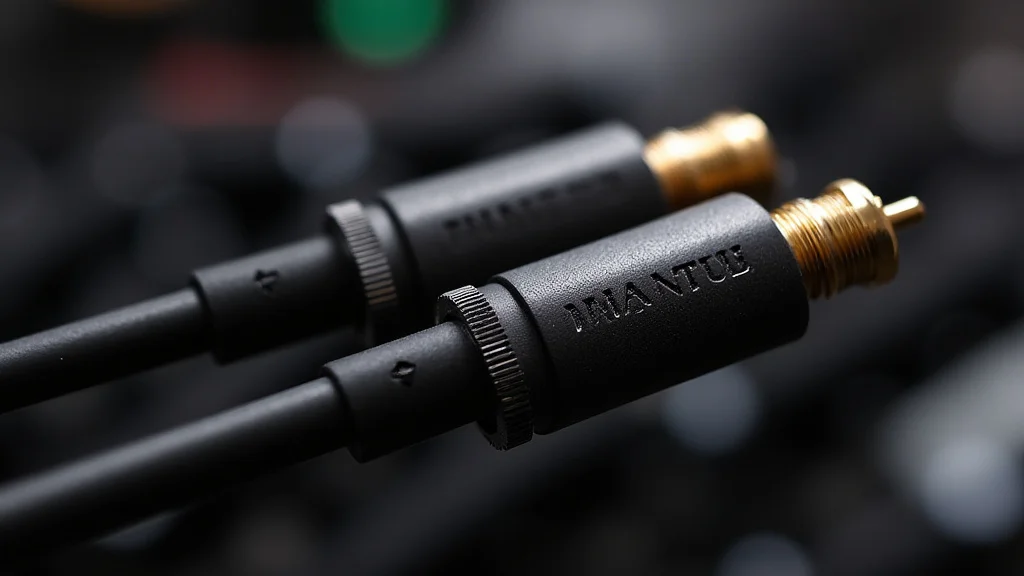
Picture this: You’re ready to game, work, or just relax with your favorite shows. But instead of immediate enjoyment, you’re faced with a chaotic jungle of wires. Frustration mounts as you search for the right cable, only to realize the mess is affecting your device’s performance. This scenario highlights a crucial question: does cable management matter? This post explores why tidying up your cables can significantly improve your experience, from boosting your devices’ performance to preventing potential problems. You’ll learn the importance of organized cables, gain practical tips for organizing your setup, and understand how to avoid common pitfalls. By the end, you’ll be equipped to transform your space into a more efficient and enjoyable environment. Get ready to gain insights that improve your productivity and reduce the stress of tangled wires.
Key Takeaways
- Organizing your cables improves airflow, which is critical for your devices’ lifespan.
- Neat cable management enhances the aesthetic of your workspace, creating a more pleasant environment.
- Proper cable management prevents accidental disconnections and tangling, reducing frustration.
- Organized cables simplify troubleshooting and make it easier to identify connection issues.
- Effective cable management contributes to a safer environment by minimizing tripping hazards.
- Learn easy solutions to manage your cables at work or at home.
Why Does Cable Management Matter? The Basics
The modern digital age relies heavily on an intricate web of cables. From power cords to data transfer lines, these connectors power our devices and allow them to interact. Without proper management, this intricate infrastructure can quickly turn into a messy, tangled disaster. When considering whether does cable management matter, it’s about more than just aesthetics. It is a fundamental practice that impacts performance, safety, and the overall longevity of your technology. When cables are strewn about, they become a source of several problems. Wires can obstruct airflow, which leads to heat buildup and potentially damages your equipment. Messy cables make troubleshooting far more complex. Finding the correct cord amidst a tangled mass is a frustrating experience. It also introduces significant safety hazards, creating tripping hazards and increasing the risk of damage to cables or devices. Investing time in cable organization is essential, as the benefits touch nearly all aspects of your digital life.
Improving Airflow and Device Lifespan
One of the most immediate benefits of organized cables is improved airflow. Electronic devices generate heat as they operate, and this heat needs to dissipate to prevent overheating. When cables are haphazardly arranged, they block the flow of air. This trapped heat causes components to run hotter than designed. Over time, prolonged exposure to excessive heat can degrade the internal parts of your electronics, shortening their lifespan and possibly leading to malfunctions. For instance, consider a computer with a poorly managed cable setup. The internal fans may struggle to remove heat effectively, causing the CPU or GPU to throttle performance to avoid overheating, reducing the overall speed and efficiency of your machine. Cable organization clears the path for air circulation, which helps keep your devices running cooler and longer. By preventing heat buildup, you can minimize the risk of costly repairs and replacements.
- Airflow is directly related to the lifespan of electronic devices.
- Cables obstruct airflow and cause overheating.
- Organized cables create pathways for cool air to flow freely.
- Proper airflow prevents damage and extends the life of devices.
- Cable management ensures optimal performance from your devices.
Boosting Workspace Aesthetics
The visual impact of a tidy workspace is significant. A clean, organized environment contributes to a sense of order and professionalism, whether you are at home or in the office. A chaotic jumble of cables beneath your desk or behind your entertainment center can detract from the overall aesthetic, making your space feel cluttered and unwelcoming. Well-managed cables, on the other hand, create a sleek and polished look. This can have a positive effect on your mood and productivity. When your workspace is organized, it’s easier to focus and stay motivated. Moreover, a clean setup is easier to maintain. Dust and debris are less likely to accumulate on exposed cables, making cleaning simple. A visually appealing space promotes a more positive and efficient experience, enhancing your overall well-being. Think of it as an investment in your comfort and your productivity.
- Aesthetics can greatly improve your mood and productivity.
- A disorganized workspace can appear messy and chaotic.
- Well-organized cables create a sleek, professional look.
- A tidy setup is simpler to clean and maintain.
- Aesthetically pleasing spaces promote focus.
Preventing Accidental Disconnections and Tangling
One of the most frustrating experiences is a sudden disconnection of a critical device, such as a computer losing power during an important presentation or an internet connection dropping during a video call. In a poorly organized environment, cables are much more likely to be snagged, pulled, or accidentally disconnected. This can result in data loss, interruptions, and general inconvenience. Proper cable management significantly reduces the probability of these issues. By securing cables with ties, clips, or sleeves, you can prevent them from getting caught on feet, chair wheels, or other objects. You can also minimize the likelihood of cables tangling. This proactive approach saves time and prevents potential headaches, ensuring that your devices and systems operate without interruption. This ensures your devices run smoothly without unnecessary frustration.
- Accidental disconnections disrupt workflow and cause frustration.
- Tangling can lead to data loss and damage.
- Secure cables with ties and clips to prevent these issues.
- Proper cable management reduces the chance of cables getting snagged.
- Prevent interruptions and keep your devices connected.
Easy Cable Management Solutions
Managing cables doesn’t have to be a complicated or expensive undertaking. Several straightforward solutions can improve your organization and reduce clutter. These solutions are generally affordable and accessible. Some methods involve readily available items, while others include products designed specifically for cable management. The main thing is to pick solutions that are appropriate for your specific setup and to establish habits that maintain an organized environment. With these solutions, even a modest investment of time and resources will yield meaningful results. The goal is to make your space more functional and easier to use. With a bit of planning and attention, you can get a handle on your cable situation.
Cable Ties, Clips, and Wraps
One of the easiest ways to manage cables is by using cable ties, clips, and wraps. These tools are simple to implement, and they offer an effective way to bundle and secure cables. Cable ties, like Velcro straps or zip ties, are ideal for grouping multiple cables together. This not only keeps them organized but also prevents tangling. Cable clips, which can be adhesive-backed, are useful for securing cables to walls, desks, or other surfaces, keeping them out of the way and preventing them from dragging on the floor. Cable wraps are perfect for creating a clean and streamlined appearance, especially for cables that run along a visible surface. These solutions are inexpensive and widely available, making them accessible to anyone looking to improve their cable management. They are very useful, especially when organizing a lot of cables around computers, TVs, and entertainment centers.
- Cable ties, clips, and wraps are the simplest solutions.
- Cable ties group multiple cables together to avoid tangling.
- Adhesive clips secure cables and keep them off the floor.
- Cable wraps create a tidy and streamlined look.
- These solutions are easy to find, affordable, and work for all setups.
Cable Management Boxes and Sleeves
For a more comprehensive and aesthetic approach, cable management boxes and sleeves can be highly effective. Cable management boxes are enclosures designed to conceal power strips and excess cable slack. They provide a neat and tidy way to keep cables out of sight, reducing clutter and improving the appearance of your space. Cable sleeves are flexible tubes that enclose multiple cables, creating a single, organized bundle. This can be particularly useful for managing cables that run from your desk to your computer or around your entertainment center. Both boxes and sleeves are available in various sizes and styles to match your specific needs and preferences. Cable sleeves can be made of various materials, including braided fabric or flexible plastic. Management boxes and sleeves provide a complete solution, helping to create a clean, organized, and safer environment.
- Cable management boxes conceal power strips and extra cables.
- Cable sleeves bundle multiple cables for a tidy look.
- Boxes and sleeves improve aesthetics and reduce clutter.
- These are available in various styles and sizes.
- They create a more organized and safer environment.
Under-Desk Cable Trays and Organizers
Under-desk cable trays and organizers are designed to keep cables neatly managed and out of sight. These solutions are particularly helpful for organizing cables that run to your computer, monitor, and other desk-mounted devices. Cable trays are typically mounted beneath your desk, providing a place to route and secure cables, preventing them from falling to the floor. Desk cable organizers, available in various designs, can be mounted or placed on your desk. They offer a practical way to manage individual cables. By using under-desk cable trays and organizers, you can create a clutter-free workspace, improving your productivity and overall work experience. These solutions are especially beneficial if you have an adjustable standing desk. This prevents cables from getting tangled as you adjust the desk’s height.
- Under-desk trays keep cables neatly arranged and out of sight.
- Desk cable organizers help manage individual cables.
- They promote a clutter-free workspace.
- They prevent cables from interfering with desk adjustment.
- These organizers improve productivity and aesthetics.
Cable Management in Different Environments
Cable management requirements vary depending on the environment. Whether in a home office, a gaming setup, or a professional office space, the most effective methods and tools might be different. Understanding how to manage cables in these different areas makes it simpler to create a clean and functional space. Each setting has its own set of challenges and opportunities for improved organization. For example, a home office may have a mix of computers, printers, and other devices, while a gaming setup may involve multiple monitors and peripherals. By adapting your approach to fit the specifics of each setting, you can ensure that your cables are managed in the most effective manner possible.
Home Office Cable Organization
Organizing cables in a home office involves managing a variety of devices, including computers, printers, routers, and various charging cables. Start by grouping similar cables together using ties or wraps. Place power strips and excess cable slack inside a cable management box to keep them out of sight. Use cable clips to run cables along walls or under your desk. Under-desk cable trays and organizers can be especially useful to keep cables from interfering with your legroom. It is also good practice to label your cables. This will make troubleshooting and identifying connections much easier. In a home office, a clean and orderly appearance supports a productive work environment. By taking these measures, you can transform your home office into a functional and pleasant space. This will assist you to focus on your work.
- Group similar cables with ties or wraps.
- Use a cable management box to hide power strips and excess cable slack.
- Utilize cable clips to keep cables organized and out of the way.
- Invest in an under-desk cable tray.
- Labeling cables makes it easier to troubleshoot.
Gaming Setup Cable Management
A gaming setup often has a larger number of devices. There are multiple monitors, gaming consoles, speakers, and various peripherals. Because of this, effective cable management is essential for this type of setup. Use a combination of cable ties, clips, and wraps to keep cables organized. Consider using cable sleeves to manage bundles of cables that run between your computer and your desk. An under-desk cable tray is particularly important for keeping cables out of sight and preventing them from interfering with your feet. Remember to regularly clean and maintain your cable setup to keep it free of dust and debris. This keeps your gaming area looking tidy and improves airflow, making sure your equipment runs properly. Well-managed cables not only enhance the aesthetic but also contribute to a smoother and more enjoyable gaming experience.
- Use cable ties, clips, and wraps for multiple devices.
- Utilize cable sleeves to manage bundles of cables.
- An under-desk cable tray is essential for keeping cables out of sight.
- Regularly clean and maintain your cable setup.
- Good cable management enhances your gaming experience.
Professional Office Cable Management
In a professional office environment, cable management is essential. A clean, organized workspace contributes to a professional appearance and helps to improve productivity. Start by utilizing under-desk cable trays and organizers. Keep power strips and excess cable slack concealed in cable management boxes. Consider implementing a cable management system throughout the entire office. This approach involves standardizing cable runs and labeling cables for ease of maintenance. This ensures that cables are managed in a consistent and organized way throughout the workplace. Regular maintenance and inspection are critical for a professional office setup. Well-managed cables can ensure a more organized, efficient, and professional work environment. This not only enhances the appearance of the office but also contributes to greater overall functionality.
- Utilize under-desk cable trays and organizers.
- Use cable management boxes to conceal power strips.
- Implement a cable management system for standardization.
- Ensure regular maintenance and inspection of the setup.
- Organized cables create a professional and efficient environment.
Common Myths Debunked
Myth 1: Cable management is only about looks.
While aesthetics are a benefit of organized cables, the primary benefits extend much further. Cable management is not only about making your workspace look neat. It is a critical component for device functionality, longevity, and safety. Properly managed cables improve airflow, reduce the chances of overheating, and prevent potential hazards. By organizing your cables, you’re not just improving your space’s appearance; you are actively contributing to the overall performance and lifespan of your devices. The idea that cable organization is purely cosmetic is incorrect, as it overlooks the practical benefits of well-managed cables.
Myth 2: Cable management is too complicated and time-consuming.
Many people assume that managing their cables will be a complex and time-consuming task. However, the reality is that simple, easy solutions can make a significant difference. Basic methods, like using cable ties or clips, take very little time to implement. There is no need for a complex or highly technical setup. Even spending a few minutes organizing your cables can result in noticeable improvements. You can start small and progressively refine your cable management strategy as needed. The idea that cable organization is difficult discourages many people from getting started, although it doesn’t have to be.
Myth 3: Cable management is only important for tech enthusiasts.
The benefits of cable management apply to anyone who uses electronic devices. Whether you work in a corporate office, a home office, or just use electronics for entertainment, managing your cables can improve your experience. Organized cables enhance device performance, safety, and the overall usability of your space. These benefits are relevant to anyone with electronics. The truth is that everyone can benefit from this practice. It doesn’t matter if you have a complex gaming setup or just a few devices. Proper cable management is essential for anyone who wants to create an efficient and safer environment.
Myth 4: Wireless is the answer to all cable problems.
While wireless technology has reduced the need for some cables, it has not completely eliminated them. Wireless devices still require power, and power cables are essential. Moreover, many devices and setups still rely on wired connections for speed, reliability, and security. It is true that wireless technology has improved over the years, but it’s still important to understand that wired connections are very necessary for certain types of applications. The reality is that wireless technology complements and supplements, but does not entirely replace the need for cable management. The goal is to manage both wired and wireless devices for the best results.
Myth 5: Cable management is a one-time fix.
Cable management is an ongoing process, not a one-time solution. To maintain an organized and efficient setup, you will need to revisit and adjust your cable management plan. As you add or remove devices, or change your setup, you’ll need to adapt your cable organization techniques. Regular maintenance includes tightening ties, checking for wear and tear, and ensuring cables do not get tangled. This ongoing effort is essential to reap the benefits of organized cables. By making cable management a regular practice, you will ensure a consistently tidy and functional environment.
Frequently Asked Questions
Question: How often should I check my cable management?
Answer: Check your cable management setup every few months, or whenever you add or remove devices.
Question: Are there any safety benefits to organizing cables?
Answer: Yes, organized cables minimize tripping hazards and reduce the risk of electrical shock.
Question: What do I need if I want a more comprehensive cable management system?
Answer: Consider cable trays, cable management boxes, and sleeves for a complete solution.
Question: What is the best way to deal with tangled cables?
Answer: Untangle the cables, use cable ties or wraps to bundle them, and use cable sleeves.
Question: Does cable management affect device performance?
Answer: Yes, it improves airflow and prevents overheating, which helps prolong the life of your devices.
Final Thoughts
The practice of organizing cables, often overlooked, offers numerous benefits that extend far beyond aesthetics. Whether you’re working, gaming, or simply enjoying your entertainment system, the impact of does cable management matter is undeniable. It improves device performance, protects their lifespan, and creates a safer environment by minimizing the chance of tripping hazards. Starting with simple solutions, like cable ties or clips, is an effective way to improve your setup. For a more comprehensive approach, consider cable management boxes and sleeves to keep things tidy. Remember that cable management is an ongoing process. As your needs change or you add new devices, revisit and adjust your approach. Embracing this practice transforms your space. It improves your productivity, reduces stress, and prolongs the life of your electronics. Start organizing your cables today to experience the numerous benefits of a well-managed setup.